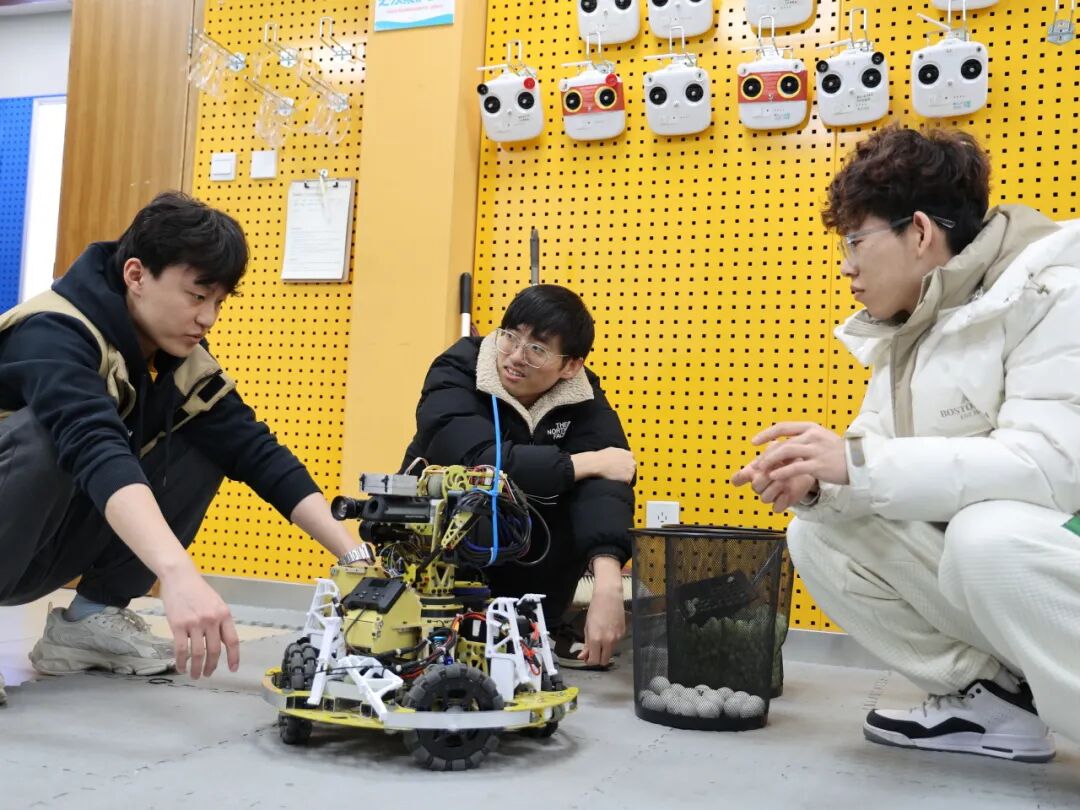
LakiBeam Series Helps Capital Normal University PIE Team Soar in Competitions
Recently, Richbeam and the W.PIE Student Innovation Laboratory of Capital Normal University have......

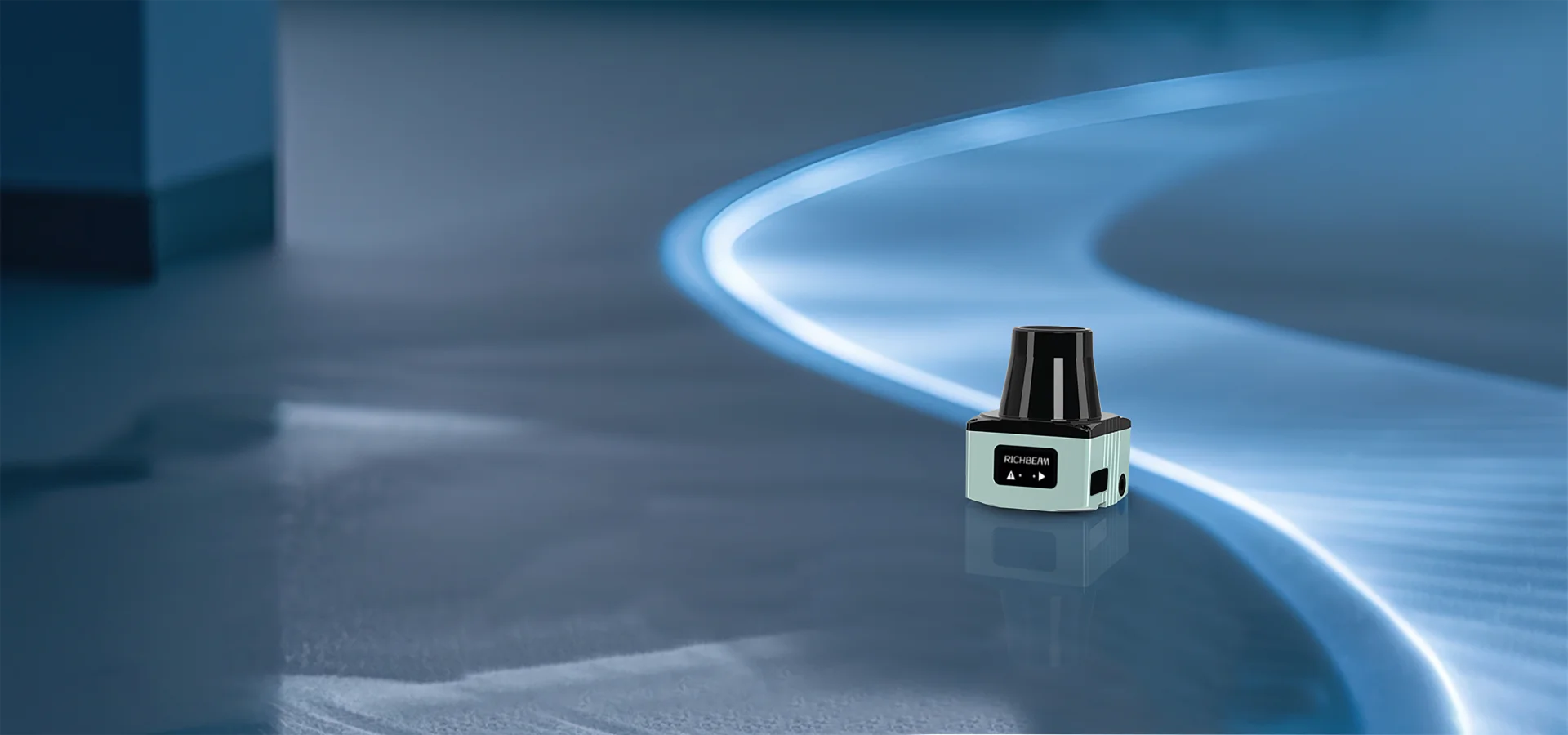
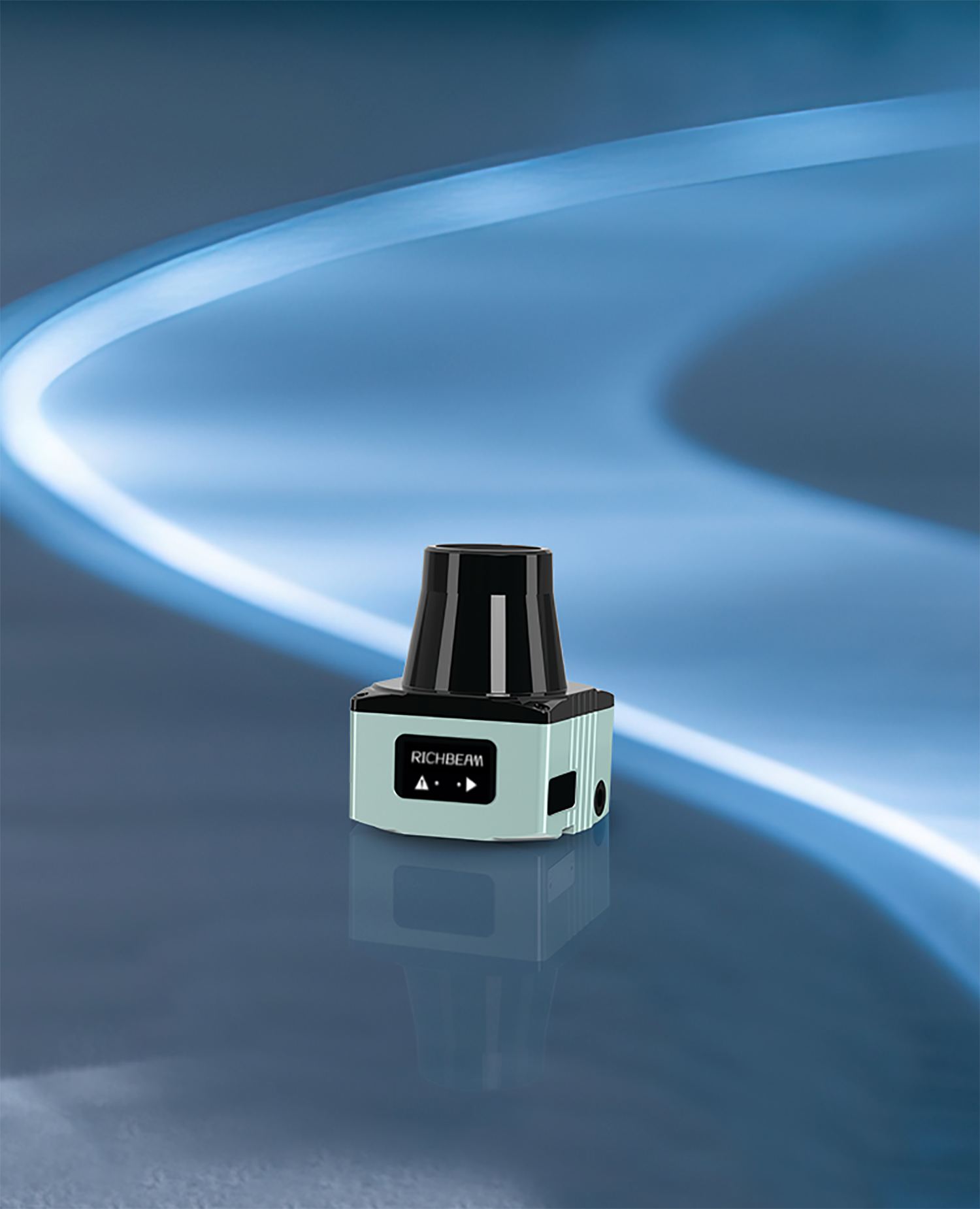

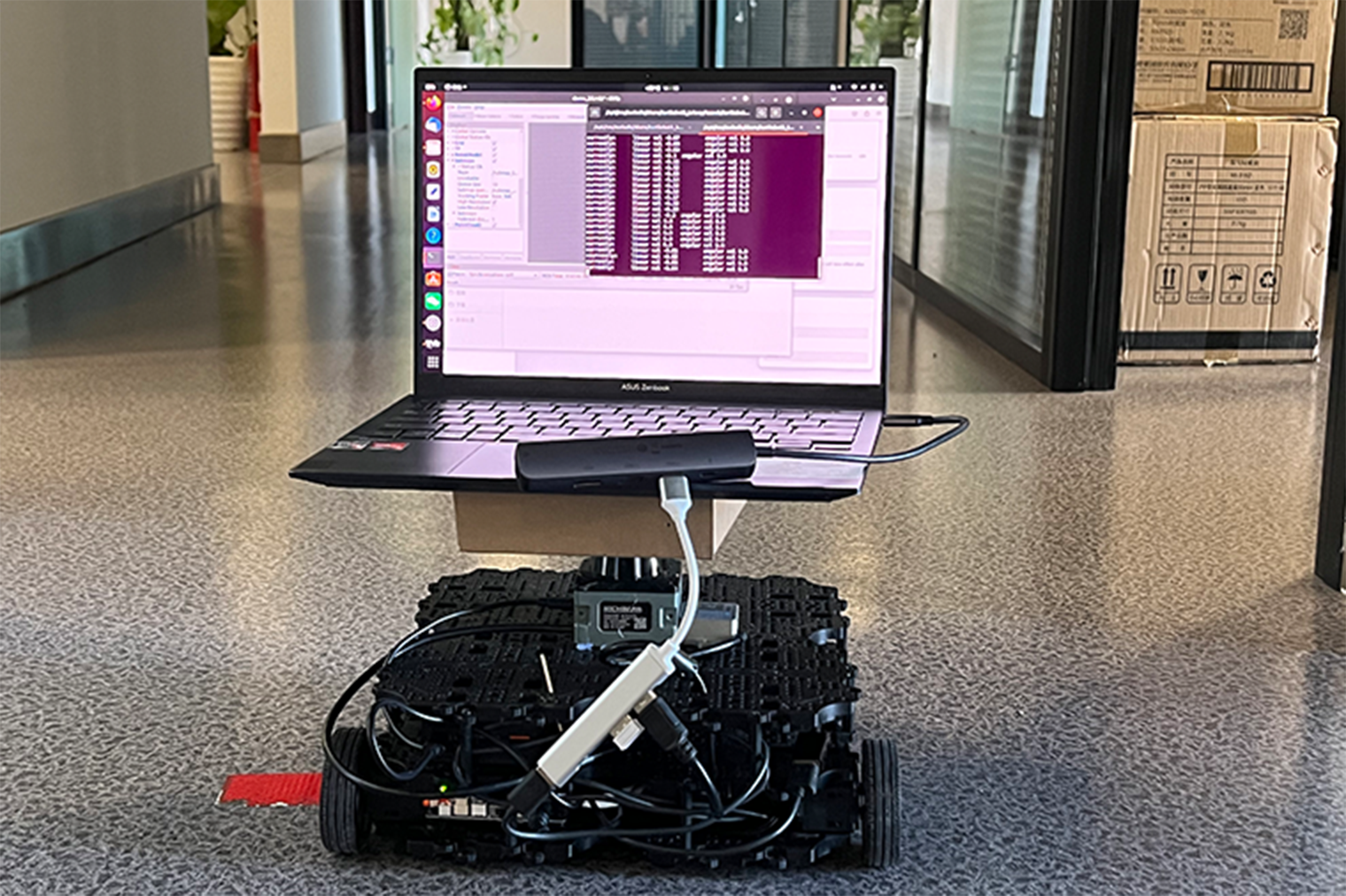


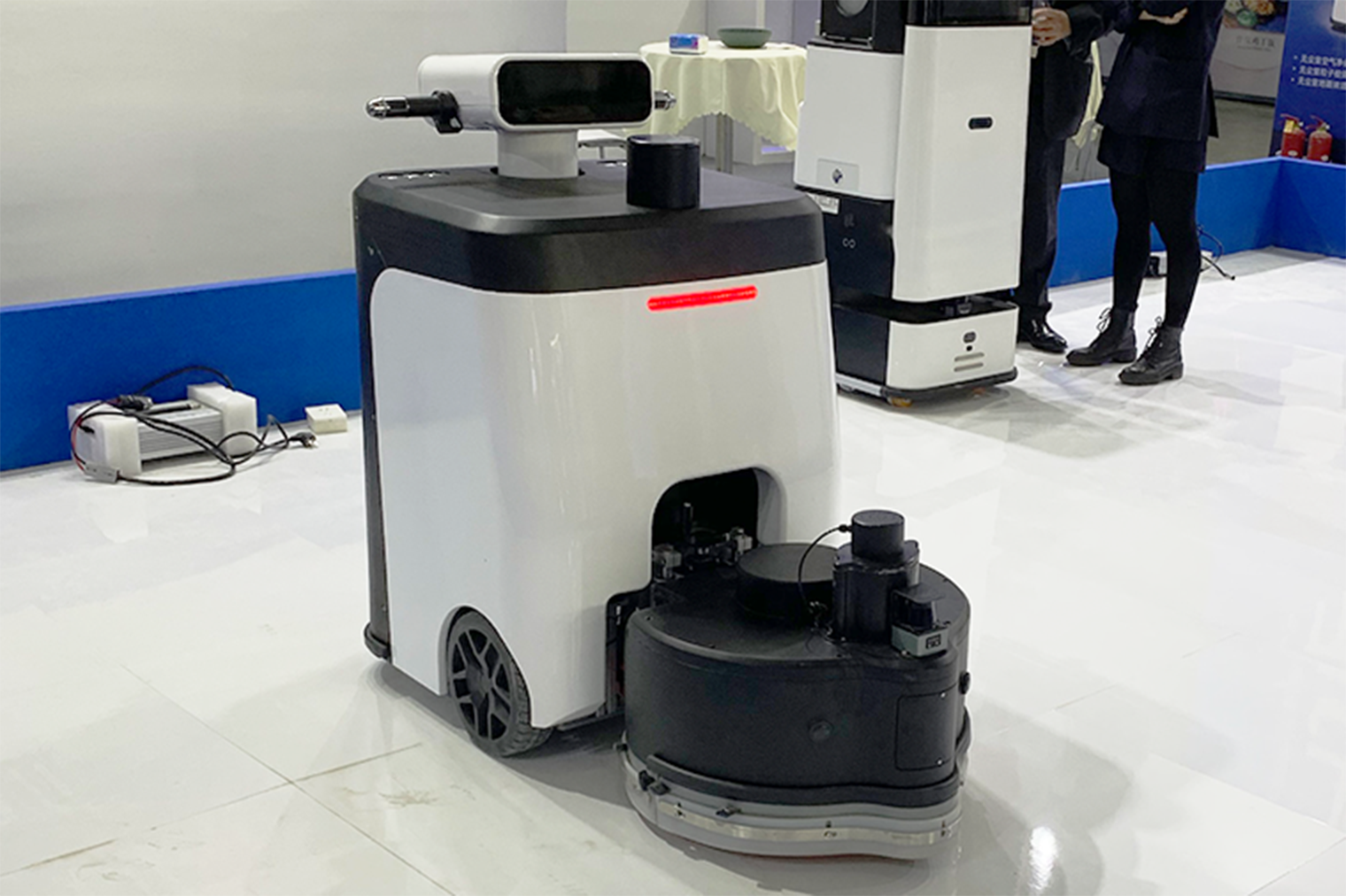
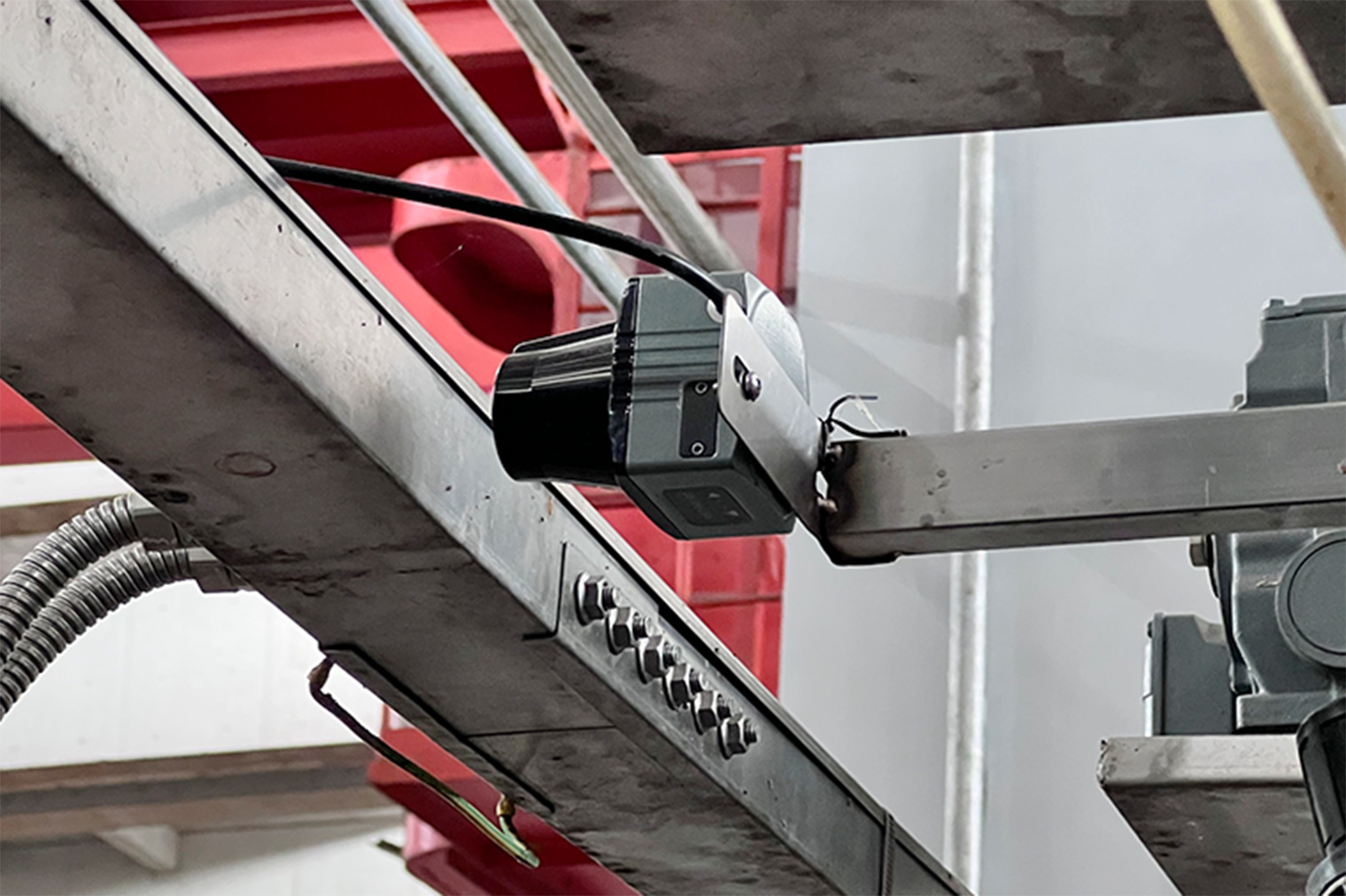
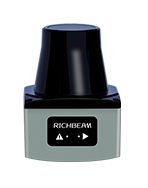
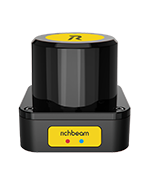
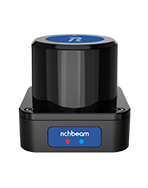
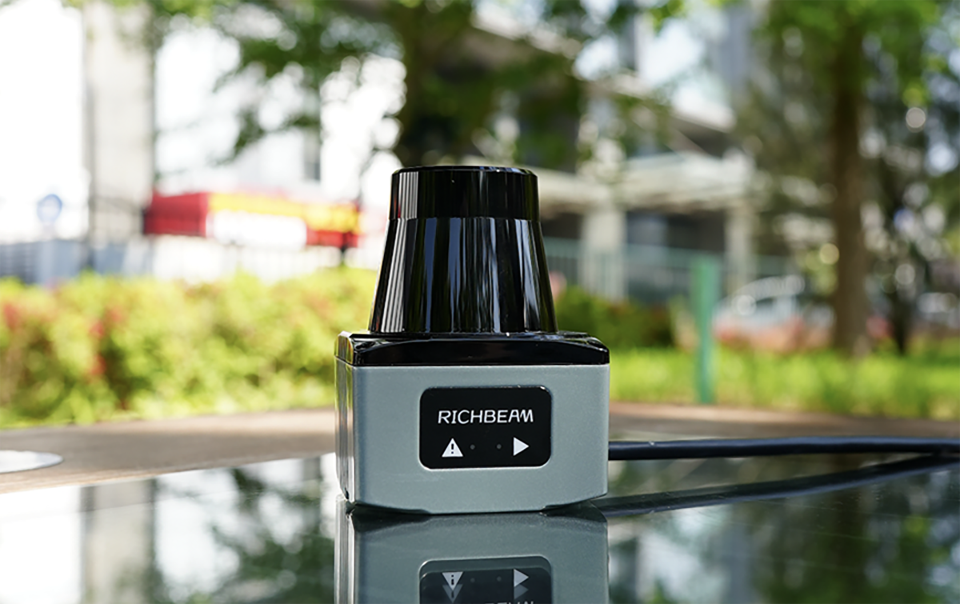
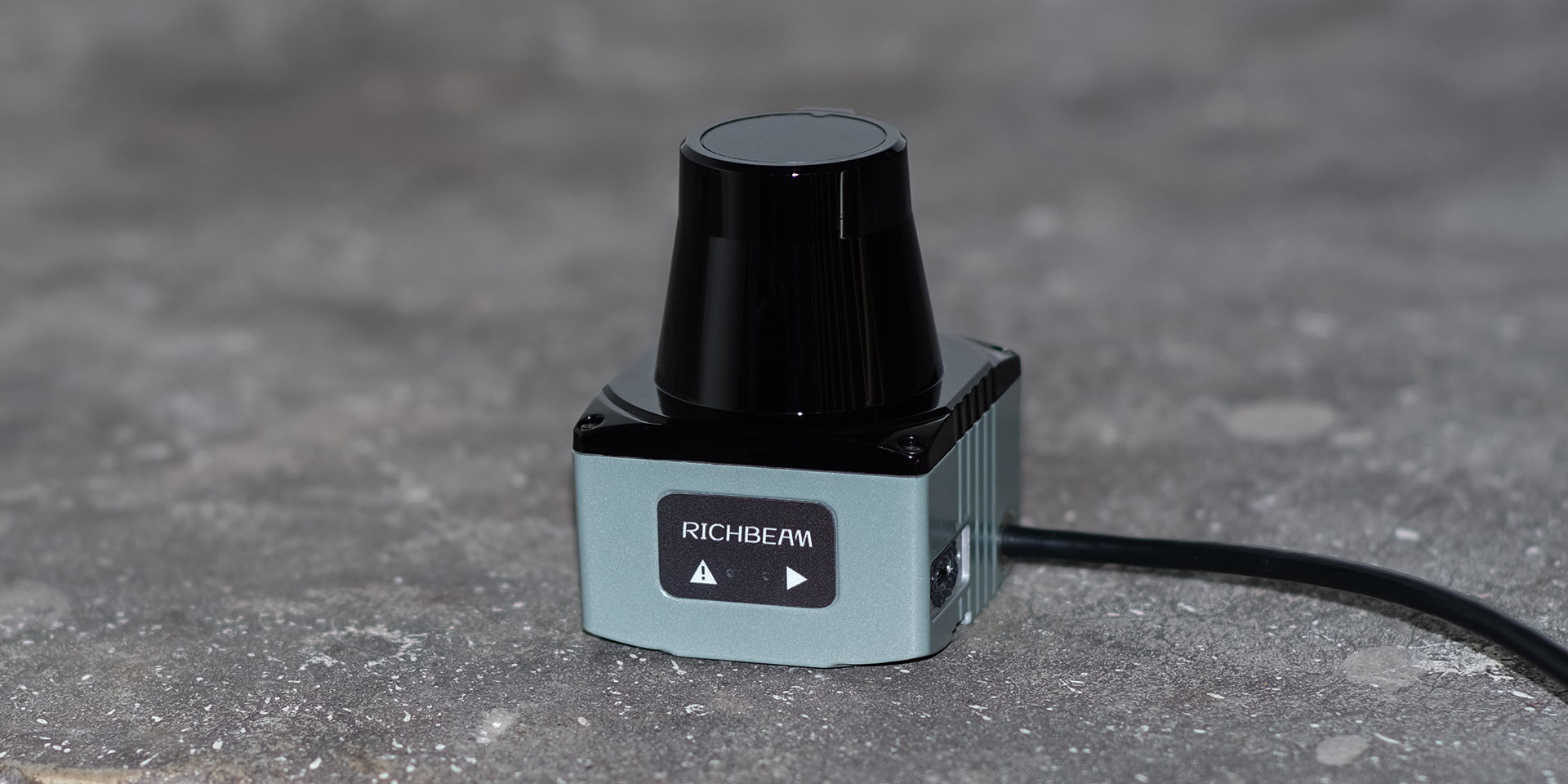
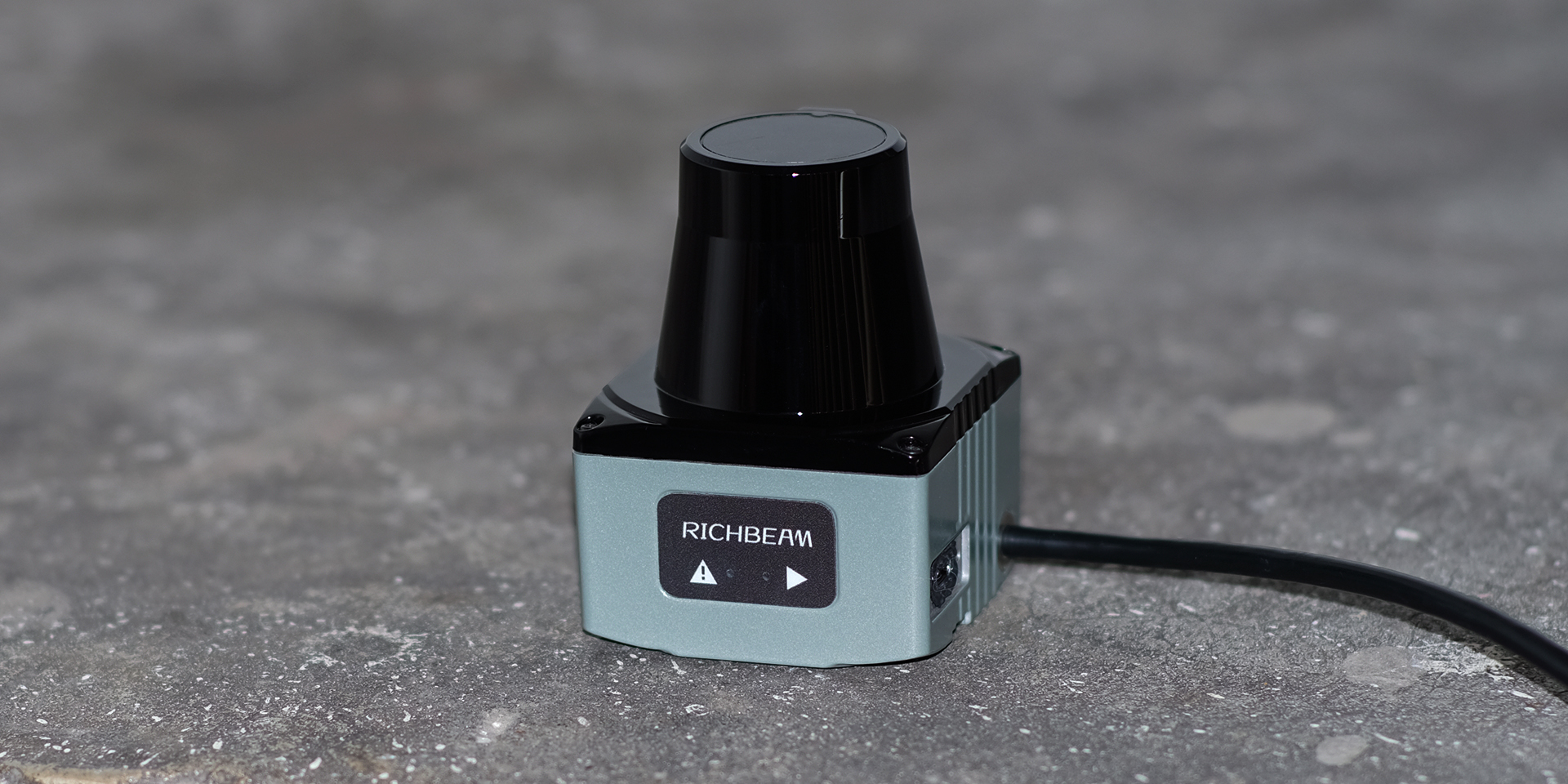
LakiBeam is a dTOF 2D LiDAR designed by Richbeam based on the principle of light detection and ranging. It can be widely used in robots, AGV, AMR and industrial measurement. LakiBeam is famous for its high quality and high stability. It is currently the LiDAR Sensor with the highest customer repurchase rate. With LakiBeam, you can easily obtain on-site data collection and efficiently promote robot and industrial measurement projects.
Richbeam has performed simulations in different material scenarios. When detecting materials such as stainless steel, marble tiles, glass, retroreflective strips, thin rods, and right-angled grooves, the pointcloud of the Lakibeam was able to perfectly display the shape of the object.
We divide LakiBeam into three models to meet users' different needs in terms of detection distance, price, angular resolution, etc. to the greatest extent.
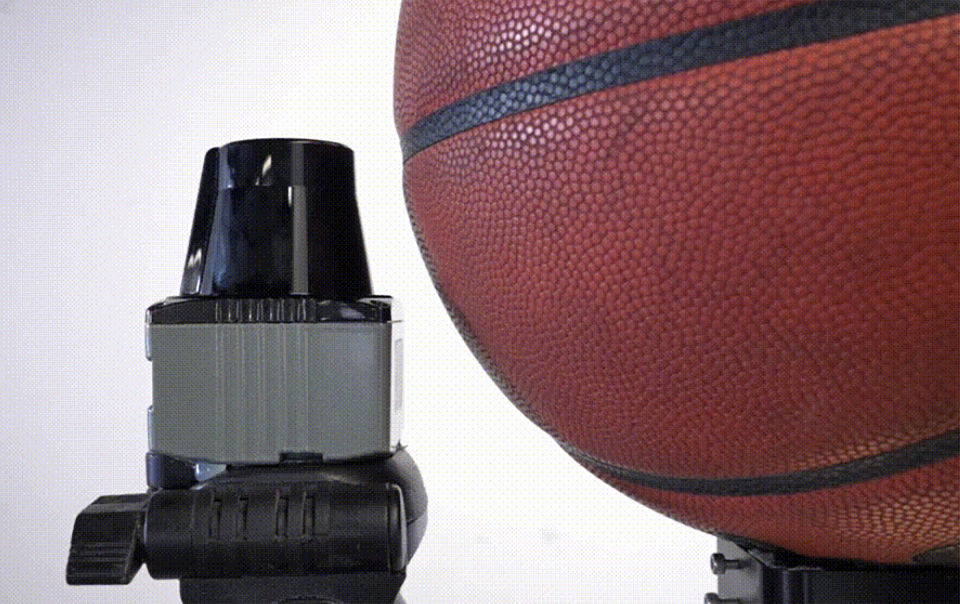
LakiBeam can not only achieve a maximum detection distance of 4Om,but also has excellent short-range performance. It can detect close-range obstacles at the fastest speed to ensure that the machine can operate safely.
Our LiDAR uses UDP for ultra-fast,low-latency data transmission-ideal for real-time applications like autonomous systems and industrial robotics.

The laser emitting module is based on the near-circular spot of the VCSEL light source. Compared to EEL lasers, VCSEL lasers have smaller spot, thus reducing the generation of veiling effect and improving the accuracy.
规格参数 |
|---|
Range |
Scanning Principle |
Range Principle |
Range Accuracy |
Horizontal FOV |
Horizontal Resolution |
Scan Frequency |
Data Sample Rate |
Data Transmission |
Time Source |
Data Output |
Laser Class |
Wavelength |
Operating Voltage |
Power Consumption |
Resistance to Ambient Light |
Operating Temperature |
Storage Temperature |
Environmental Protection |
Dimension |
Weight |
LakiBeam1S | LakiBeam1 | LakiBeam1L | LakiBeam1H | LakiBeam1H Pro |
|---|---|---|---|---|
≥15m(90%reflectivity) ≥10m(10%reflectivity) | ≥25m(90%reflectivity) ≥15m(10%reflectivity) | ≥50m(90%reflectivity) ≥20m(10%reflectivity) | ≥50m(90%reflectivity) ≥25m(10%reflectivity) | ≥75m(90%reflectivity) ≥35m(10%reflectivity) |
1D Rotating Mirror | 1D Rotating Mirror | 1D Rotating Mirror | 1D Rotating Mirror | 1D Rotating Mirror |
dTOF | dTOF | dTOF | dTOF | dTOF |
±2cm | ±2cm | ±2cm | ±2cm | ±1cm (under specific temper- ature and distance) to ±1.5cm |
270° | 270° | 270° | 300° | 300° |
0.2°,0.5° | 0.1°,0.25°,0.25°,0.25° | 0.1°,0.25°,0.25°,0.25° | 0.04°,0.08° | 0.04°,0.12°,0.08° |
10Hz,20Hz | 10Hz,20Hz,25Hz,30Hz | 10Hz,20Hz,25Hz,30Hz | 30Hz,60Hz | 30Hz,90Hz,60Hz |
Up to 18 kHz | Up to 43.2 kHz | Up to 43.2 kHz | 270 kHz | 270 kHz |
100Mbps Ethernet (UDP) | 100Mbps Ethernet (UDP) | 100Mbps Ethernet (UDP) | 100Mbps Ethernet (UDP/IP) | 100Mbps Ethernet (UDP/IP) |
Internal Timestamp | Internal Timestamp | Internal Timestamp | Internal Timestamp | Internal Timestamp/PTPV2 |
Distance, Angle, Echo Intensity, Timestamp | Distance, Angle, Echo Intensity, Timestamp | Distance, Angle, Echo Intensity, Timestamp | Distance, Angle, Echo Intensity, Timestamp | Distance, Angle, Echo Intensity, Timestamp |
Class 1 (Eye-Safe) | Class 1 (Eye-Safe) | Class 1 (Eye-Safe) | Class 1 (Eye-Safe) | Class 1 (Eye-Safe) |
940nm | 940nm | 940nm | 905nm | 905nm |
9V to 36V | 9V to 36V | 9V to 36V | 9V to 36V | 9V to 36V |
≤2W | ≤2W | ≤2W | ≤5W | ≤5W |
100000Lux | 100000Lux | 100000Lux | 100000Lux | 100000Lux |
-25℃ to 60℃ | -25℃ to 60℃ | -25℃ to 60℃ | -25℃ to 60℃ | -25℃ to 60℃ |
-40℃ to 75℃ | -40℃ to 75℃ | -40℃ to 75℃ | -40℃ to 75℃ | -40℃ to 75℃ |
IP65 | IP65 | IP65 | IP65 | IP65 |
60mm × 60mm × 80mm | 60mm × 60mm × 80mm | 60mm × 60mm × 80mm | 60mm × 60mm × 80mm | 60mm × 60mm × 80mm |
160g | 160g | 160g | 250g | 250g |
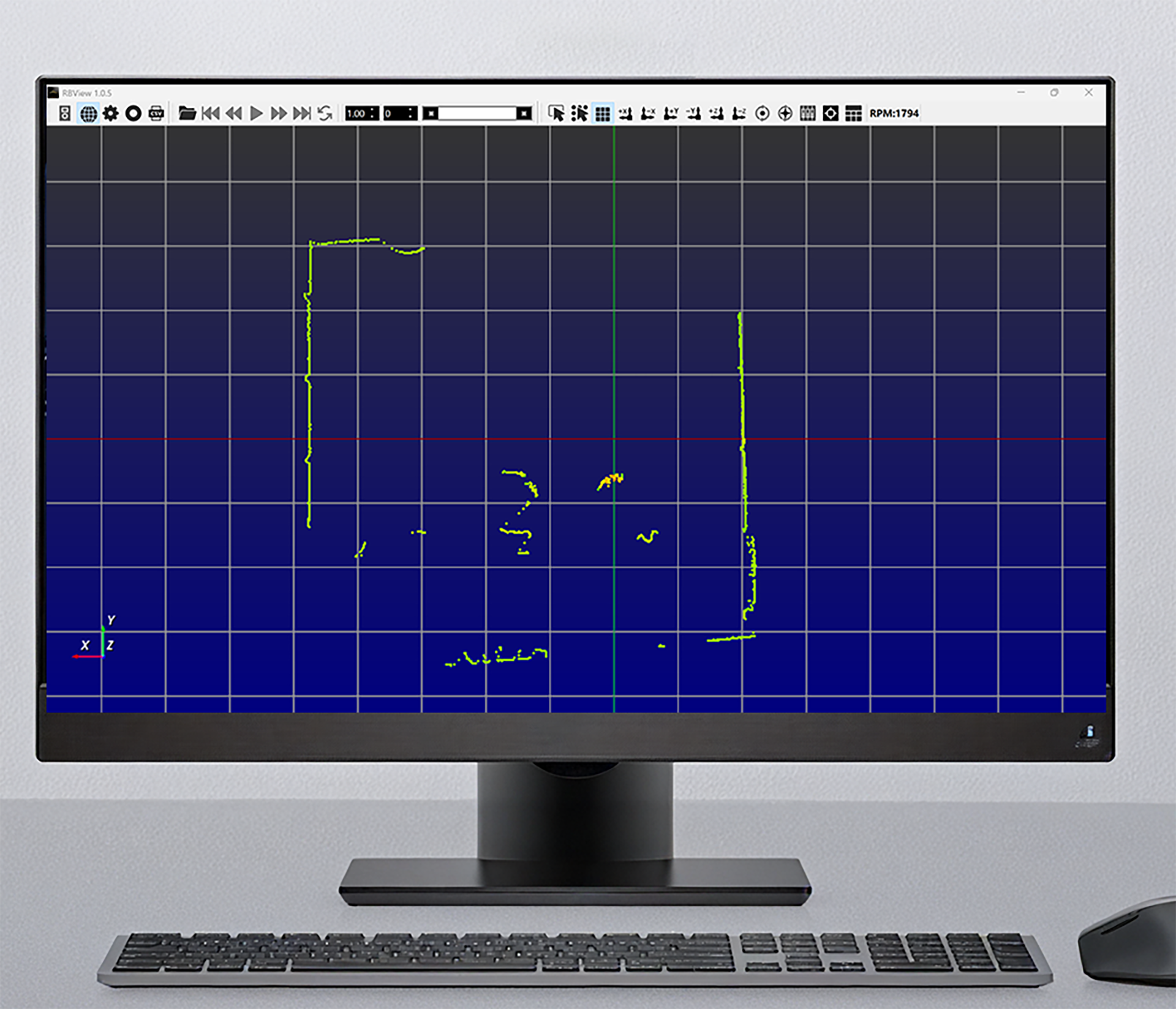
We have designed RBView point cloud visualization software for the LakiBeam series of LiDARs, which can be used to display point cloud data of all LiDAR detectors connected to the computer in real time.With RBView, users can easily view, record and store point cloud data for later use.
Recently, Richbeam and the W.PIE Student Innovation Laboratory of Capital Normal University have......

Recently, China Electronics Corporation's national-level "cross-industry" platform, CEC Internet, and Richbeam officially signed an agreement in Changsha, Hunan Province.
The 75-meter range laser radar sees further, wider, and with greater detail.
Recently, Richbeam and the W.PIE Student Innovation Laboratory of Capital Normal University have......
Recently, China Electronics Corporation's national-level "cross-industry" platform, CEC Internet, and Richbeam officially signed an agreement in Changsha, Hunan Province.
The 75-meter range laser radar sees further, wider, and with greater detail.
Product List
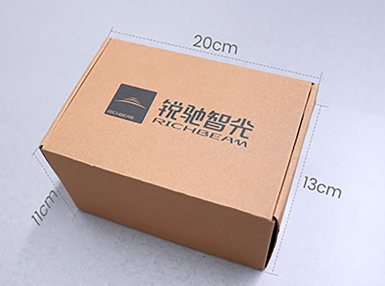
Packaging
CE Certification

Didn't find a LiDAR that meets your requirements? Let's discuss your problem together. Our professional technical team can provide you with customized services.
Contact Our ExpertsRichBeam LiDAR sensors use the dTOF method to measure object distance. The LiDAR emits a pulsed laser beam and starts a timer. When the laser hits the target surface, it undergoes diffuse reflection and returns to the photodetector. The photodetector receives the signal and stops the timer. This time difference between the laser's emission and reception is the time of light's flight. Multiplying the speed of light by the time of light's flight gives the distance the light travels, thus allowing the calculation of the distance from the device to the target.
For more questions, please visit our WIKI link.
All Q&A Form Submit